
Exploring how a single investment in the arts can create a lifelong impact—creating greater access, supporting local artists, and opening doors to connection, creativity, and well-being across Collier County.
When people think about giving to the arts, they may picture a ticket to a performance, a donation to a museum, or funding for a new program. But some of the most meaningful impacts of arts philanthropy happen behind the scenes, in the practical resources that allow creative experiences to reach people who might otherwise never have access to them.
Art supplies. A teaching artist’s time.
Ballet shoes for a young student. Transportation to a performance. A therapeutic arts session.
These may seem like relatively small investments individually, but together, they can create opportunities for learning, connection, expression, and well-being across a community.
For United Arts Collier, increased support for the arts means being able to bring more of those opportunities into the places where they can have the greatest impact.
The resources behind the experience matter
An arts program cannot happen without the people and materials that make it possible.
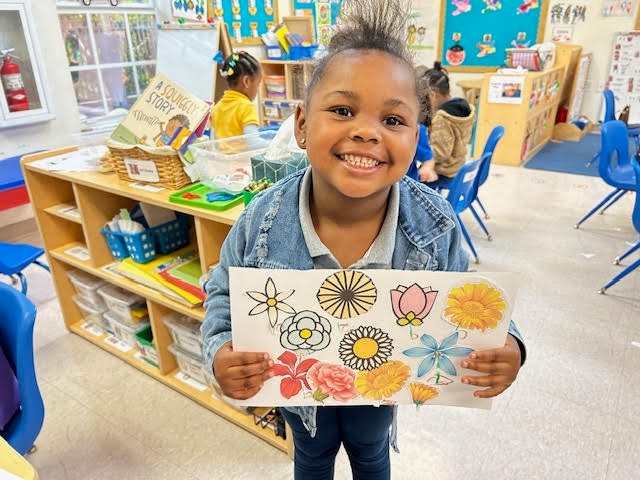
UAC’s youth education programs reach almost 2,000 students annually, and providing the necessary art supplies is a fundamental part of that work. Funding for materials gives students the opportunity to experiment, create, develop skills, and experience the process of making art.
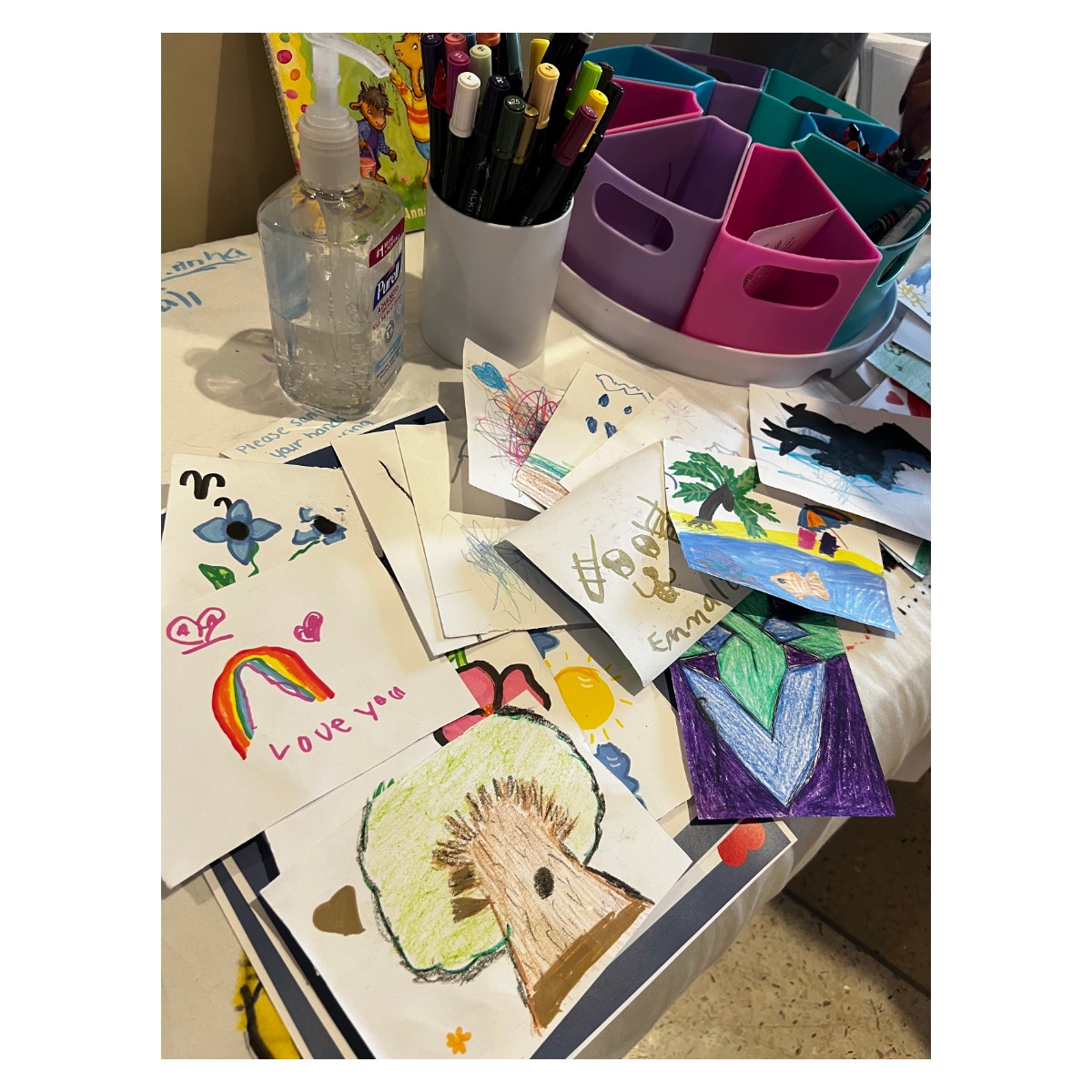
The same principle applies to UAC’s collaboration with Naples Comprehensive Health (NCH) to provide art creation stations in three hospital waiting rooms. The supplies themselves are relatively simple, but their purpose is significant: to provide an opportunity for creative expression and joy in an environment that can otherwise be stressful.
This is one of the less visible realities of arts funding. The impact isn’t always found in a large, highly publicized project. Sometimes it is found in having enough supplies for every student, or making sure a creative activity is available when someone needs it.
Small investments can remove barriers
Access to the arts is also shaped by barriers that have little to do with a person’s interest or ability.
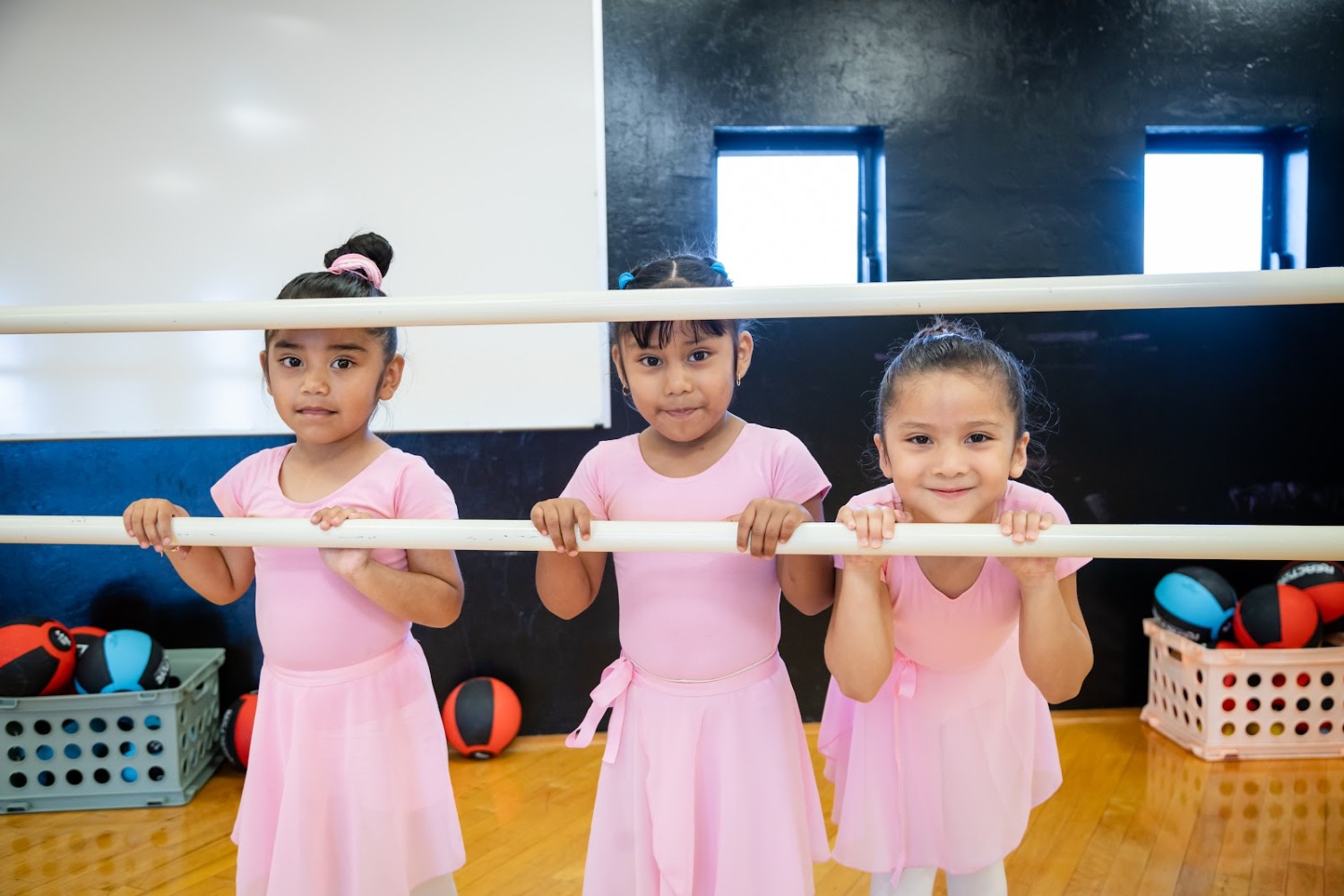
UAC has an ongoing partnership with RCMA and Guadalupe Center in Immokalee to offer ballet programs to pre-K students. Providing each student with a new leotard, skirt, tights, and ballet shoes helps make participation possible while giving children the experience of having their own dance attire.
At $50 per student, this is a relatively modest investment. Yet for a young child, receiving their first ballet outfit can be part of what makes the experience feel real and meaningful.
Transportation can present another barrier. Charter buses for students attending a Naples International Dance Festival performance cost approximately $1,500 to $2,000 per bus, depending on the pickup location, number of participants, and type of bus.
Funding transportation doesn’t create the performance itself. It creates access to it.
That distinction matters. Expanding the reach of the arts often means identifying the practical obstacles that stand between people and participation—and finding ways to remove them.
Arts funding can support health and well-being
The potential impact becomes even more significant when arts programming intersects with health and social services.
Through its Arts & Health initiative, UAC collaborates with local nonprofit and community organizations to provide therapeutic art instruction or clinical art therapy sessions. Programming is designed to provide coping strategies, reduce stress, improve self-awareness, and support emotional resilience.
UAC’s partner organizations include David Lawrence Center, Youth Haven, Baker Senior Center, Home Base, and the Shelter for Abused Women and Children, and more.
These programs demonstrate why investment in the arts can extend beyond traditional arts education and performance. Creative experiences can be incorporated into settings where people are navigating challenges, transitions, or difficult circumstances.
When funding allows these programs to happen more consistently—monthly, bi-weekly, or weekly, depending on the site—it can support something more substantial than a single creative experience: an ongoing resource within the community.
Supporting artists supports the work itself
There is another essential component to arts funding that can sometimes be overlooked: the artists.
Local artists and teaching artists are the people who bring creative programming into classrooms, community centers, senior programs, veteran programs, and underserved communities.
Funding an artist can therefore have a ripple effect. It supports the artist’s work while also helping to bring that work to people who may not otherwise encounter it.
Funding also preserves what has already been made. Through the Collier Arts Archive, UAC records the stories of the artists and organizations who built this community’s cultural life, capturing filmed interviews and historical research that will outlast any single program. It is the kind of work that rarely has a natural funder, and the kind that becomes impossible to do once the people who remember are gone.
A $500 gift can support an artist-led workshop. $1,000 can help fund a series of community classes. A larger investment can support an artist or teaching artist through an extended community program.
As Rachael Lord, UAC’s Programs Associate, describes it, “When you fund an artist, you’re not just supporting one person—you’re putting the power of creativity to work in our community.”
What happens when funding grows?
The question isn’t simply what one donation can accomplish. It is what becomes possible when a community collectively decides that the arts are worth investing in.
More funding means more students reached. More consistent arts programming. More opportunities for local artists. More access for populations that have historically had fewer opportunities to participate. More resources for programs that connect the arts with health and well-being.
UAC currently provides free arts education to approximately 1,700 students annually, including at-risk youth, seniors, veterans, and individuals who may otherwise lack access to quality arts programming.
Additional investment can help sustain and expand that access.
It can help put a paintbrush or instrument into someone’s hands. It can help fund a therapeutic session. It can help a child attend a dance class with the proper shoes and attire. It can help a student get on a bus and experience a live performance for the first time.
None of these things exist in isolation.
The value of investing in the arts
Arts funding is often evaluated primarily by the finished product: the painting, the performance, the class, the exhibition.
But the deeper value can be found in everything that happens around it.
A child learns to express an idea. A student discovers an interest in dance. A senior has an opportunity to create and connect. A veteran participates in an artist-led program. A family waiting in a hospital finds a constructive moment of distraction. A local artist has the resources to share their skills with others.
These outcomes are difficult to reduce to a single number, and they are not always immediately visible. But they are part of what a healthy arts ecosystem can contribute to a community.
That is why increased investment matters.
A donation to the arts is not only funding an activity. When thoughtfully directed, it can help build access, remove barriers, support artists, strengthen educational opportunities, and create spaces for connection and expression.
The individual gift may be one small piece. The impact comes from what those pieces make possible together.
About United Arts Collier
As Collier County’s official Local Arts Agency, recognized by the State of Florida, United Arts Collier (UAC) works to bring the benefits of the arts to our community’s health, education, economy, and quality of life. UAC connects individuals, organizations, businesses, and civic partners in support of a thriving arts community for residents and visitors throughout Collier County. Its mission is to enrich lives and strengthen the community through the power of the arts.
UAC’s work spans arts education, community building, and advocacy, with programs and initiatives that include exhibitions, performances, outreach, arts therapy, arts education, and special events. Many offerings are free to the public, made possible by the generosity of sponsors, grantors, and individual donors. As a 501(c)(3) nonprofit, UAC depends on philanthropic support to continue its work on behalf of the entire community.
To stay connected to the arts in Collier, sign up for UAC’s free weekly Best Bets newsletter at unitedartscollier.org.
Love what you're reading?
Get the best of Naples delivered to your inbox every month — local stories, events, and good news worth sharing.
Subscribe for Free