

What is a Food Forest? You might picture it as a gigantic garden or even a large plot of everbearing fruit trees; however, this ancient practice is much more than that. Everything has a place to belong. Each plant has a job: to support and grow the entire food forest system.
Large trees provide shade and organic matter, shrubs produce berries and fruits, vines climb upward, ground covers protect the soil, and tubers improve underground diversity. Over time, this collaboration strengthens the food forest, attracting more pollinators, producing higher yields, and supporting quicker recovery. A traditional Food Forest can be composed of seven layers and can thrive in as little as 2,400 square feet of space or 1/20th of an acre. Micro food forests can be established in as little as 200 square feet and are suitable for one dwarf fruit tree and a few berry shrubs.
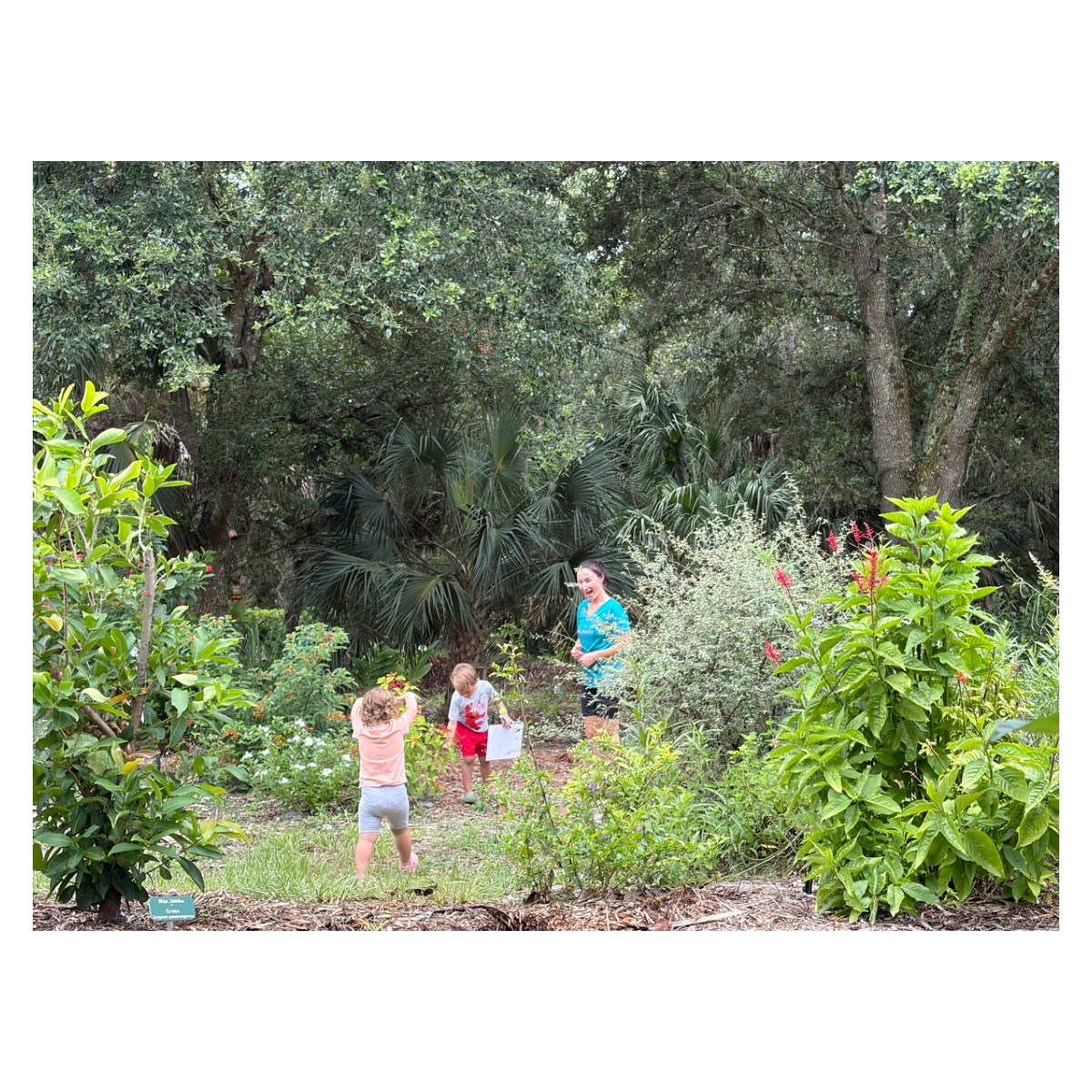
The 2.5-year-old Food Forest at Empowerment Farm is one acre and features a full seven-layer design. The canopy layer and sub-canopy layer consist of grey oaks and fruit-bearing trees such as lychee, mango, and hog plum species. These trees also function as living trellises, physically supporting the vertical layer plants, like dragon fruit, butterfly pea flower, and passion fruit. Berries and pollinator-attracting plants such as the sweet almond bush make up the shrub layer, while herbs like rosemary, citronella, mint, and basil, part of the herbaceous layer, help to deter pests across the Food Forest. Ground covers such as squash and pumpkins work to suppress weeds and act as living mulch, helping to retain moisture in the soil. Lastly, the rhizosphere, or root layer, is comprised of tubers and bulbs like ginger, turmeric, and onion.
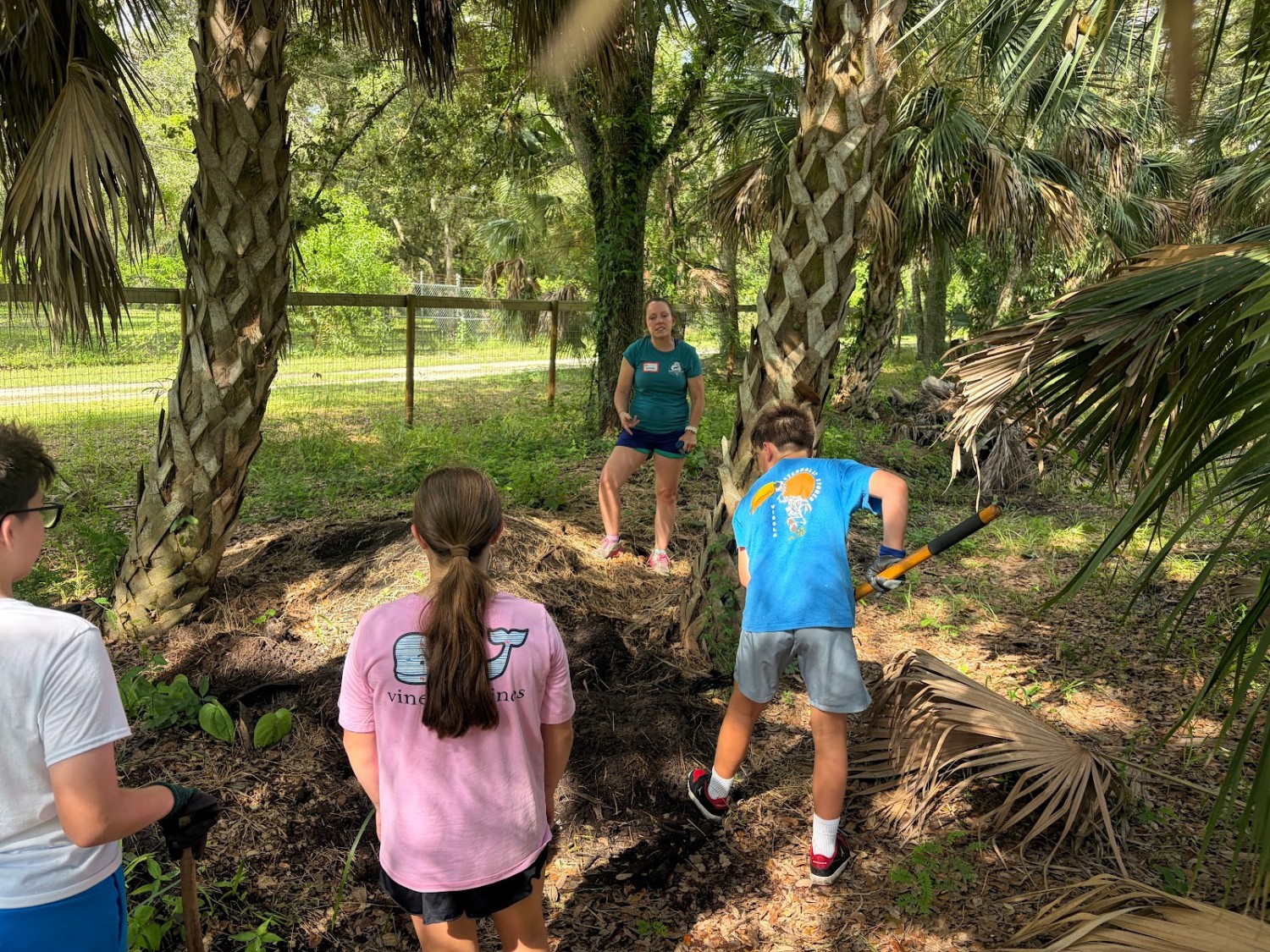
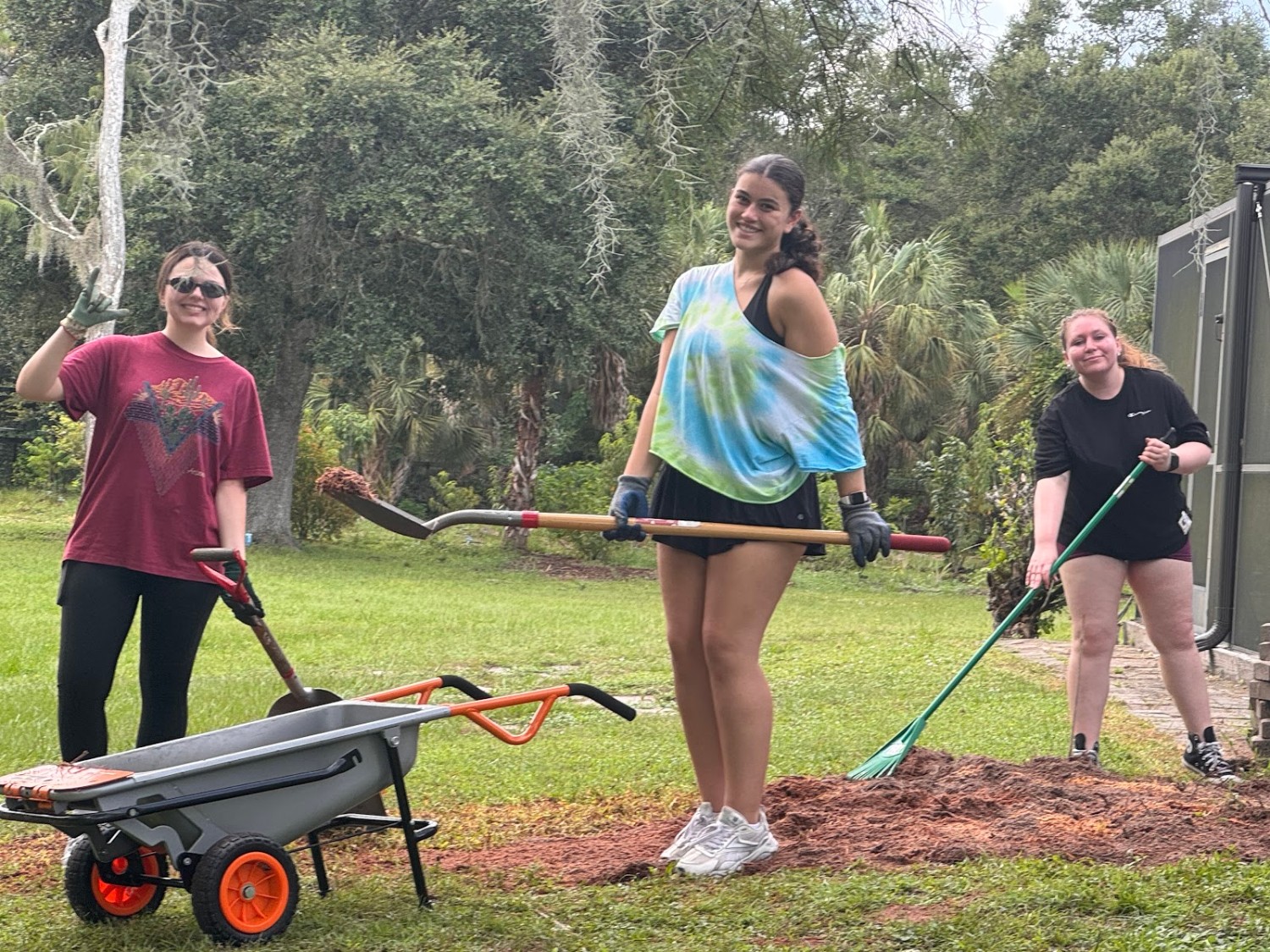
The connections found among the plants extend far beyond the Food Forest at Empowerment Farm. Volunteers of all abilities work together to maintain and grow the ecosystem. Propagating, mulching, and weeding are not only ways to care for the Food Forest but are also a way to reconnect with yourself and the community. Experiencing the natural world hands-on can bring peace of mind while growing confidence, emotional regulation, and authentic connections. Just as each layer supports the Food Forest as a whole, the food forest supports the people, animals, and communities that surround it.
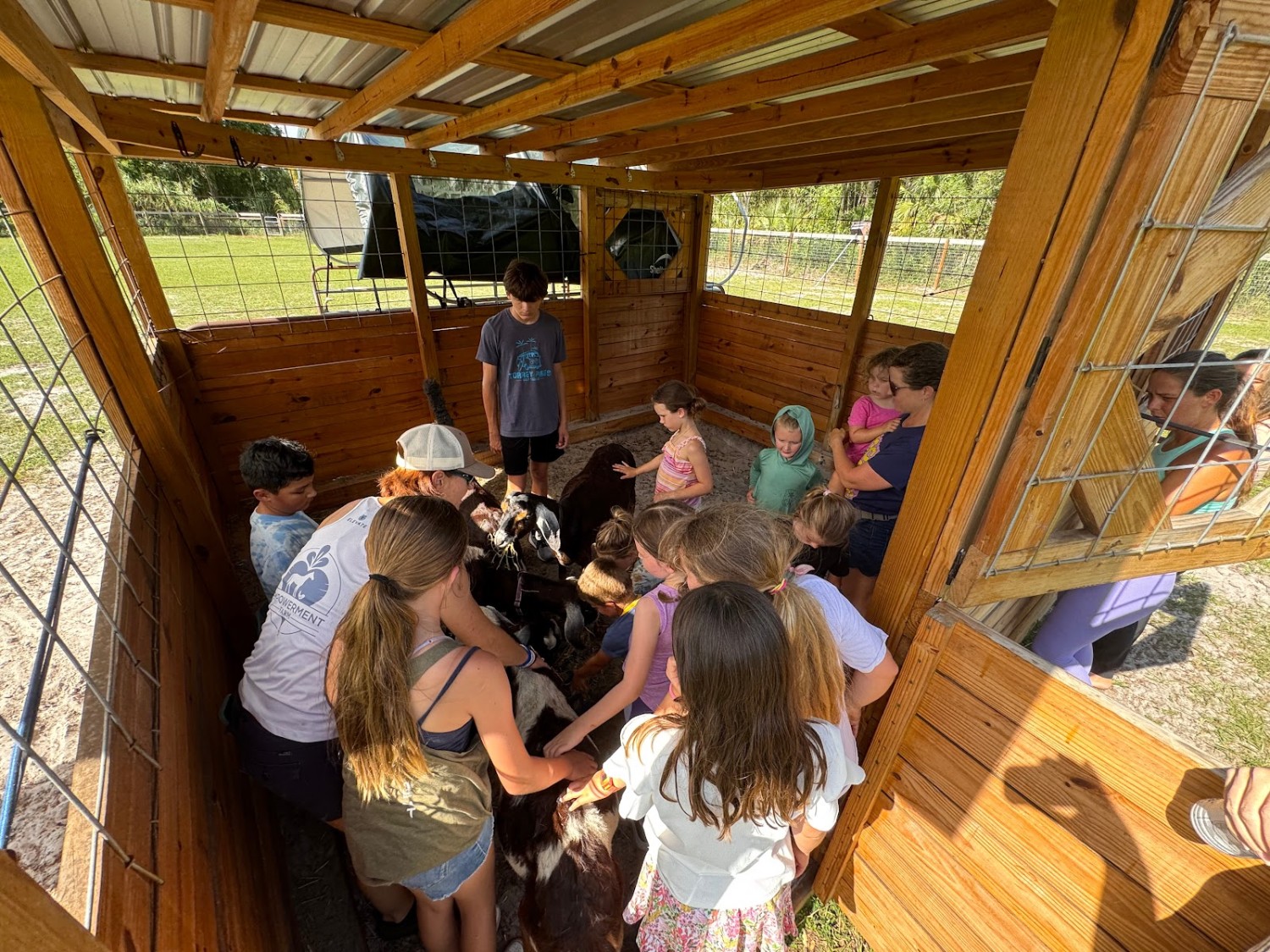
At Empowerment Farm, cultivating community means creating opportunities for people to connect with the land, animals, and each other. One of the ways we accomplish this is through programs that are rooted in nature-based learning, regenerative agriculture, and animal care. Through our partnerships with schools, nonprofits, and community organizations, Empowerment Farm strives to remove barriers to access. A prime example is our Farms Without Fences, off-site programs designed to bring hands-on farming activities to locations throughout Collier County. Programs focus on animal husbandry, such as our bunny and chicken programs, that introduce children to animal care while encouraging compassion and responsibility. Farms Without Fences also offers agriculture-based programs, including soil health and microgreens, that help participants understand the important connection between healthy soil, plants, food, and the environment. Through gardening, animal interaction, and collaborative activities, participants engage their senses, work together, and learn in ways that build confidence and connection. Everyone deserves access to spaces where they feel safe, valued, and grounded, regardless of age, ability, or background.
Empowerment Farm is a regenerative farm located in Naples, Florida. It is home to cows, goats, chickens, quail, bunnies, and tortoises that support the overall soil health. It has in-ground garden beds, raised garden beds, and a food forest to demonstrate multiple agricultural practices. Learn more at EmpowermentFarm.org.
Love what you're reading?
Get the best of Naples delivered to your inbox every month — local stories, events, and good news worth sharing.
Subscribe for Free